IP address
An IP address is the number that identifies a device or server on a network, so packets know where to go; every website you visit sees one for you.
Explanation
In depth
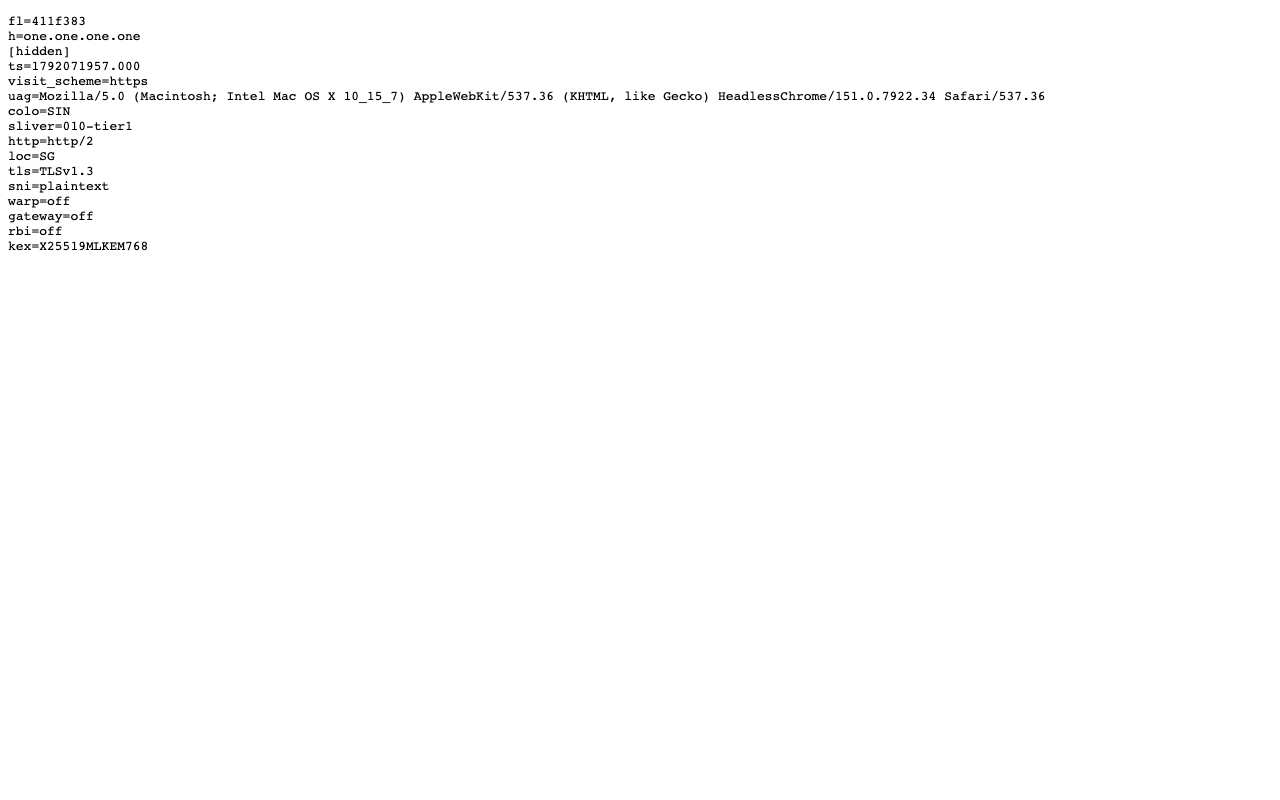
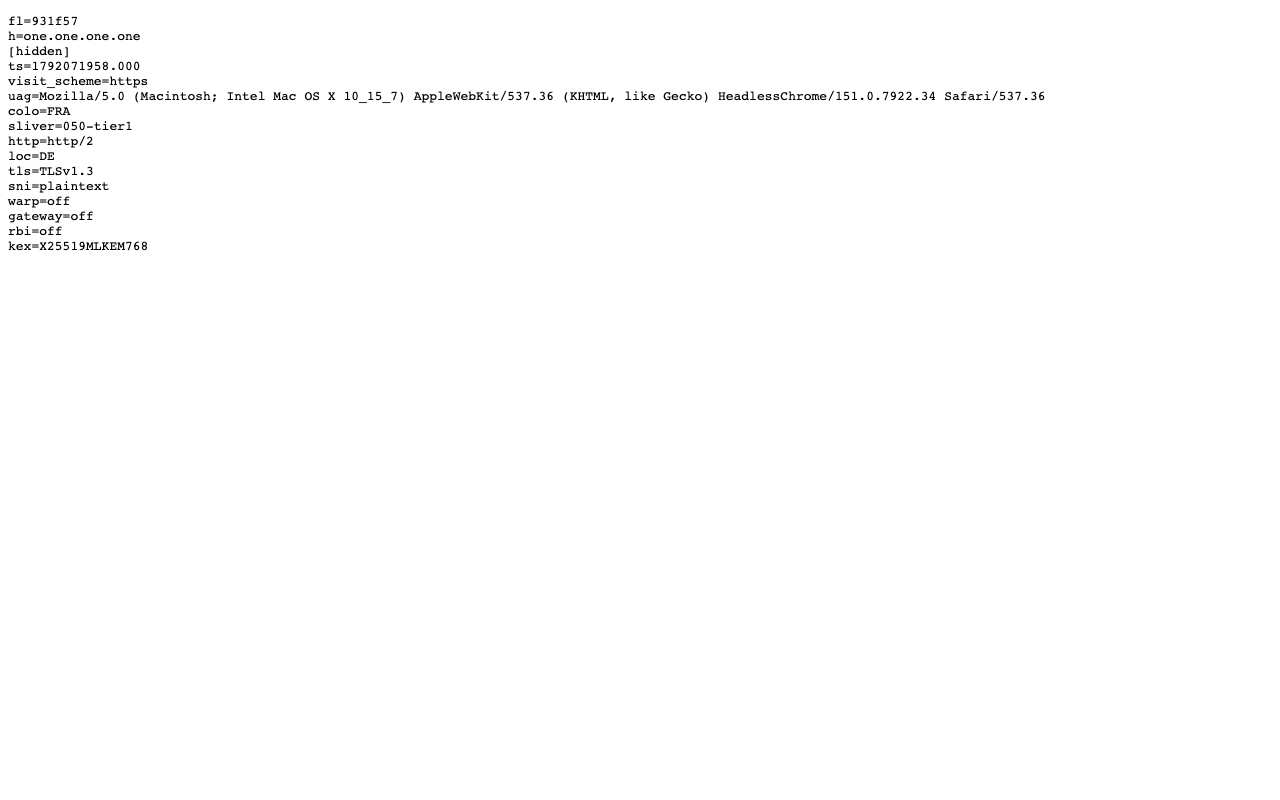
IPv4 addresses are four numbers from 0 to 255 (for example 192.0.2.1), which allows about 4.3 billion. IPv6 addresses are longer hexadecimal strings (for example 2001:db8::1) with room for vastly more. Your home router has one public address from your ISP and gives devices private ones such as 192.168.x or 10.x behind it. Websites see the public address and look it up in geolocation and network databases to guess your country, city and provider. That is how they apply country rules. Addresses run short: IANA handed out the last free IPv4 blocks in February 2011, and Europe's registry RIPE NCC ran out in November 2019. Many people now share one address. A web proxy changes which address the site sees. Through AnyProxy the destination sees the proxy server's address in the region you chose, not yours. Cloudflare's trace page, opened through each free region on 15 October 2026, printed an ip= line and placed the visitor in SG, DE or US accordingly. We hide that line in screenshots because it is a proxy exit address. Shared proxy addresses also explain why some sites show more CAPTCHAs or block datacenter ranges outright.
In practice
IP address in the real world
A private address can also be a censorship tool. On 14 Oct 2026 an OONI probe on Iran's Mobinnet asked for vimeo.com and was answered with 10.10.34.36. That address sits in the 10.0.0.0/8 private range, which is not routed on the internet, so the browser has nowhere to go. Through AnyProxy the opposite happens: the site sees a real public address in the region you picked. The trace page reported loc=SG, DE or US to match.
Sources: RIPE NCC — IPv4 run-out (2019) · OONI measurement: vimeo.com on Mobinnet AS50810, 14 Oct 2026 (DNS answer 10.10.34.36) · Cloudflare trace page used in the tests
We checked
What a site sees instead of your address (15 Oct 2026, IP line hidden)
Questions about IP address
Related terms