PoP (Point of Presence)
A point of presence (PoP) is a physical site, usually a rack in a data centre, where a network has equipment and connects to other networks and to its users.
Explanation
In depth
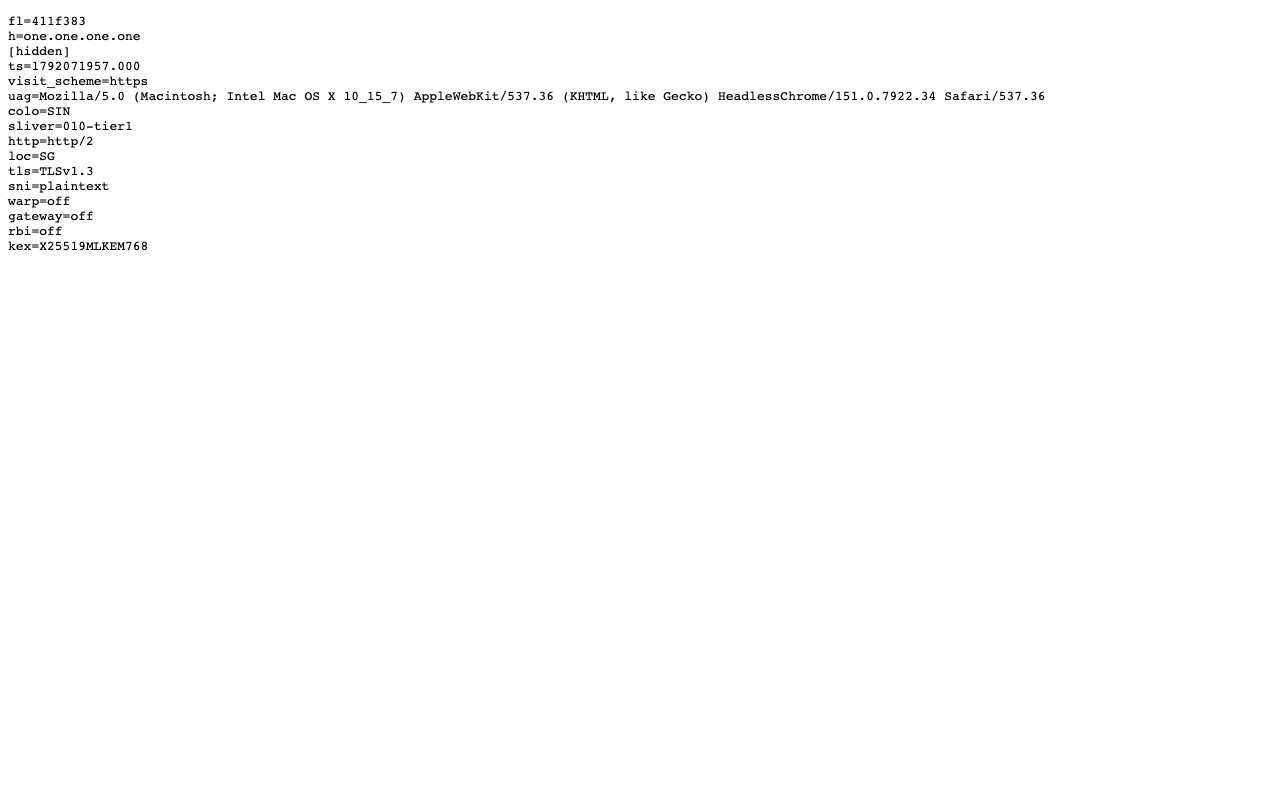
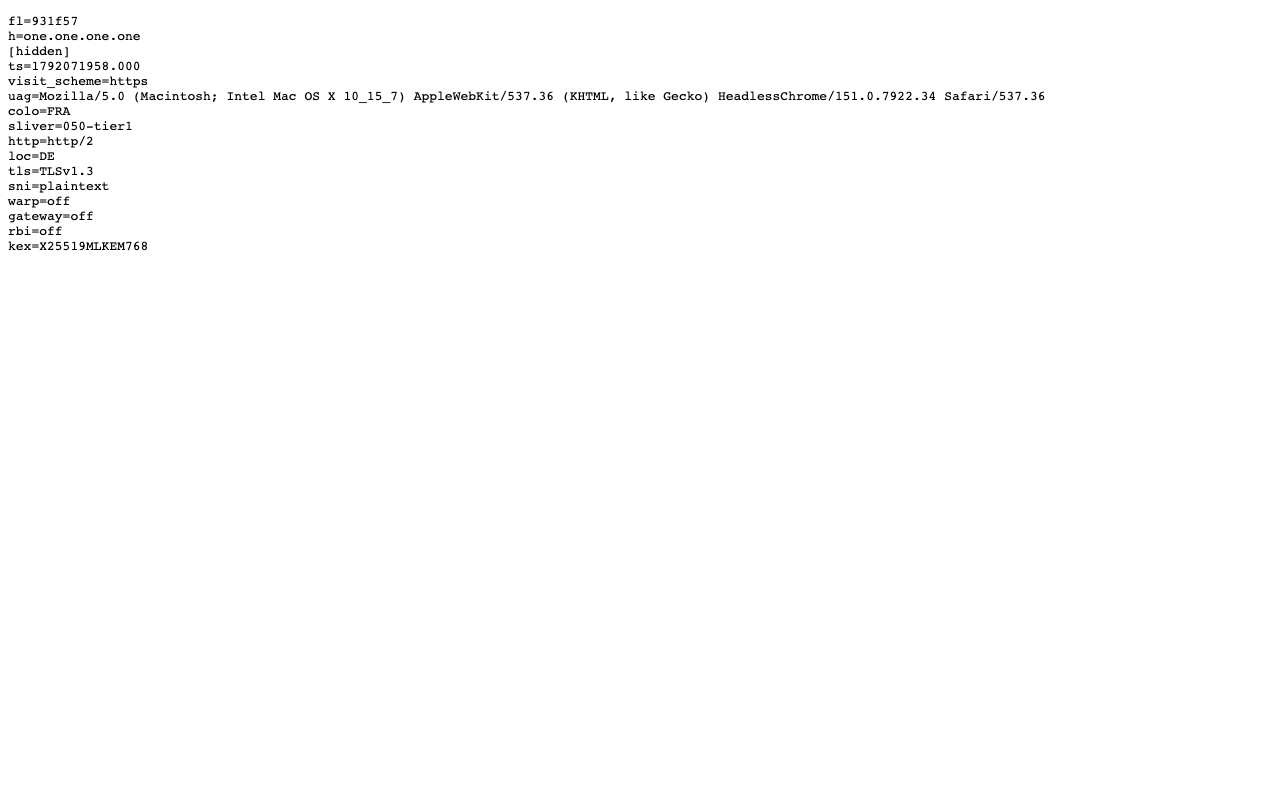
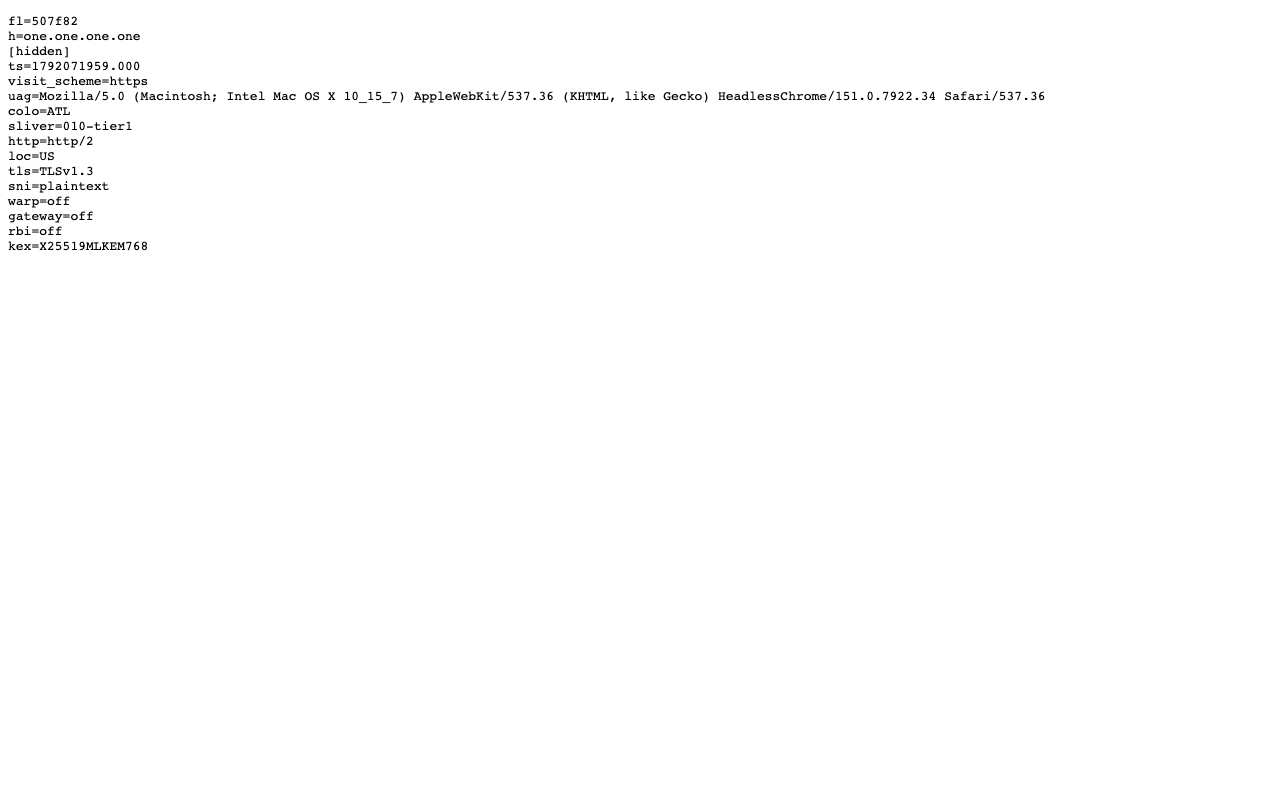
Every network that serves people across the world needs physical places where its routers and servers live. Those places are its points of presence. A CDN's PoP holds its edge servers. An ISP's PoP is where its customers' traffic enters the wider internet. A cloud provider calls its PoPs regions or zones. More PoPs near you generally means shorter paths, but the count alone says little: routing between networks decides which PoP actually answers. AnyProxy's regions work as PoPs for proxied browsing. Free: Singapore, Frankfurt and Virginia. Pro adds Tokyo and Los Angeles, and São Paulo is listed as coming soon. The region you pick does two separate jobs. It sets how far your traffic travels to the proxy, which affects speed. It also sets where the proxy's exit appears, which decides what the destination shows you. Cloudflare's trace page, opened through each free region on 15 October 2026, located the proxy in SG, DE and US respectively. A site that blocks or changes content by country treats you as being in that country, and a site with an EU consent wall shows it to visitors arriving through Frankfurt. Choose the closest region where the site you want behaves the way you need.
In practice
PoP (Point of Presence) in the real world
Cloudflare's trace page reports a loc field: the country it places the visitor in. Opened through AnyProxy on 15 Oct 2026 it read loc=SG from Singapore, loc=DE from Frankfurt and loc=US from the Virginia region. That loc decides country rules on the destination side. The proxy PoP you choose is effectively the country you browse from, whatever country you are physically in.
We checked
Country each AnyProxy PoP appears in (15 Oct 2026)
Questions about PoP (Point of Presence)
Related terms