SNI inspection
SNI inspection is a filtering technique: a firewall reads the site name from the start of an HTTPS connection and cuts or logs the connection if the name is on a list.
Explanation
In depth
Every classic HTTPS connection begins with the browser naming the site in readable text, in the SNI field of the TLS ClientHello. SNI inspection is what a filter does with that: it reads the name, compares it with a blocklist and, on a match, drops the packets or sends a reset. It needs no decryption and no fake certificate, and it works even when the user's DNS is encrypted. That makes it popular with national filters and office firewalls. The visible symptom is usually a connection reset or timeout rather than a block page, because the filter cannot inject a page into an encrypted session. OONI's 2025 Iran study saw this on Irancell (AS44244): connections reset right after the ClientHello. In OONI's 15 Jul - 15 Oct 2026 data for vimeo.com in Iran, Irancell produced 465 anomalies and 374 confirmed blocks out of 920 tests. Ways around it: Encrypted Client Hello, where the site and browser support it and the network does not block ECH itself; a VPN; or a web proxy. Through a web proxy the only name your browser sends is the proxy's host name, so the filter has nothing to match unless the proxy itself is listed.
In practice
SNI inspection in the real world
On Irancell (AS44244), OONI's 2025 Iran study found connections reset immediately after the browser's ClientHello, the exact moment the site name is sent. Russia applied the same idea to ECH in November 2024. Filters matched connections that combined the ECH extension with the public name cloudflare-ech.com and blocked them, so a privacy feature became one more name to match. Through AnyProxy the filter in your country sees only sg., fr. or us.anyproxy.site. The destination name is sent later, from the proxy's data centre.
Sources: OONI — Iran censorship study (2025) · OONI Explorer: vimeo.com tests in Iran, 15 Jul - 15 Oct 2026 · Risky Biz News — Russia blocks Cloudflare ECH connections (Nov 2024)
We checked
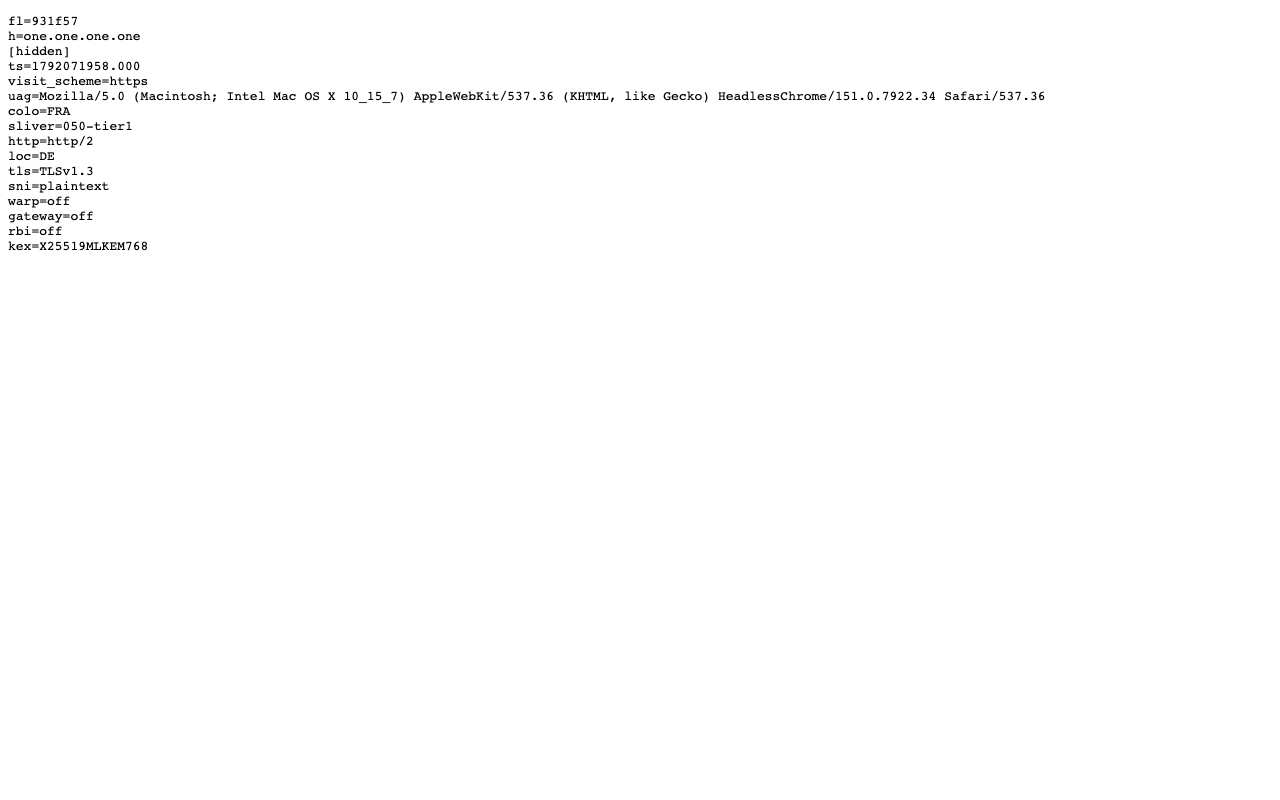
The destination name leaves from the proxy's data centre, not your network (15 Oct 2026)
Questions about SNI inspection
Related terms