TLS handshake
The TLS handshake is the opening exchange of every HTTPS connection, in which browser and server agree on encryption keys and the server proves which site it is.
Explanation
In depth
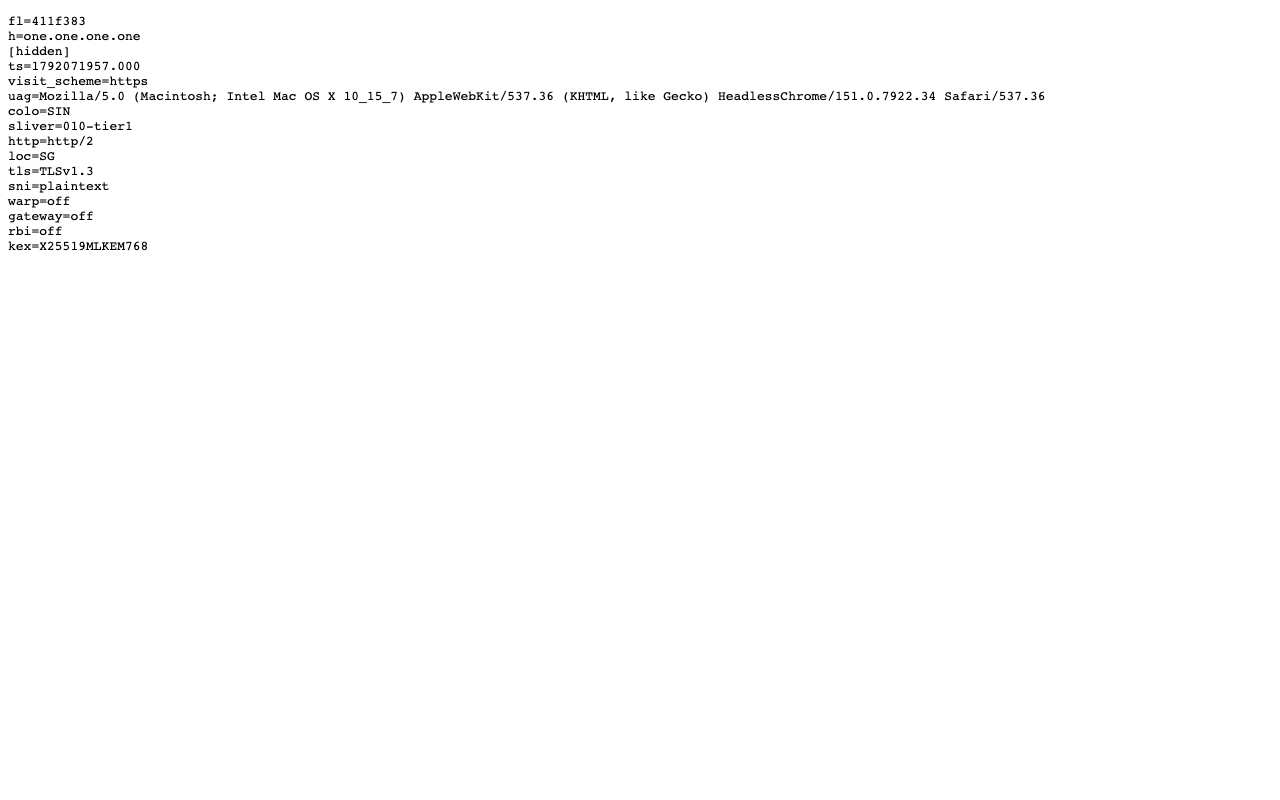
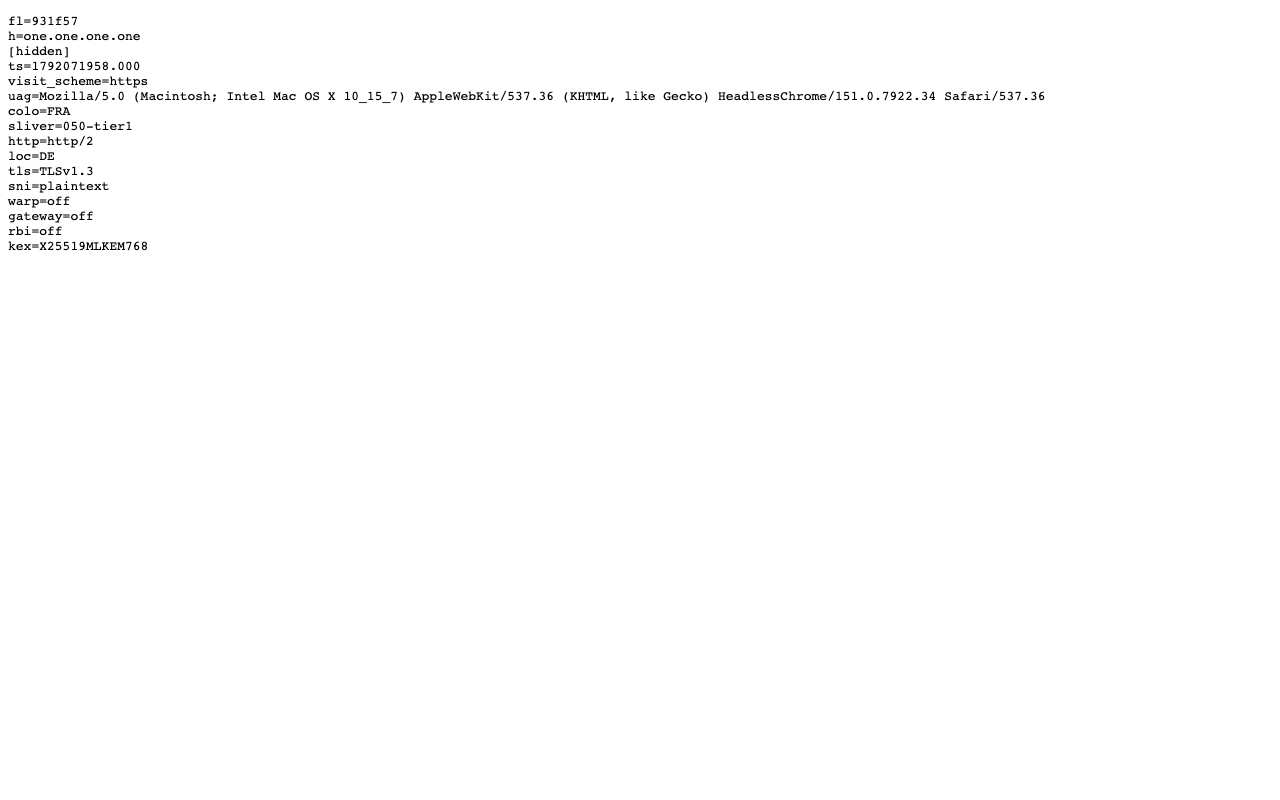
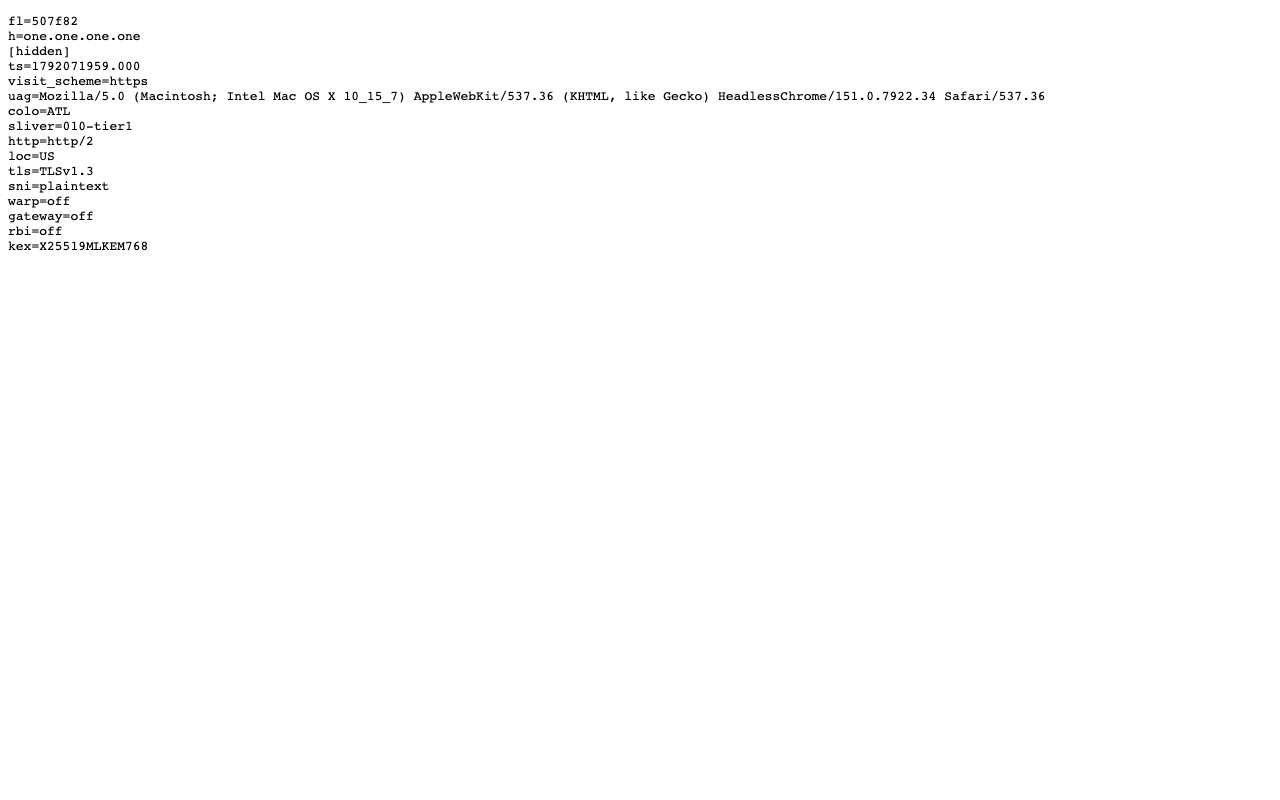
Before any page data moves, the browser sends a ClientHello. It lists the TLS versions and ciphers it supports, a key share, and the site name (SNI). The server replies with its choice, its own key share and its certificate. The browser checks the certificate against authorities it trusts, both sides derive the same session keys, and only then is the request sent, encrypted. TLS 1.3 (RFC 8446, 2018) does this in one round trip and encrypts the certificate. TLS 1.2 needs two round trips. The handshake matters beyond security. It is where filters read the site name and send resets, and its length is a measuring stick: OONI caught throttling in Turkiye in September 2025 because handshakes to targeted platforms took much longer than to 19 other hosts on the same IP prefixes. Modern handshakes also carry new key exchanges. Cloudflare's trace page, opened through each AnyProxy region on 15 October 2026, reported TLS 1.3 with X25519MLKEM768, a hybrid that adds a post-quantum algorithm to classic X25519. Not every site has caught up. In the 5 October 2026 DomainScan scan, croxyproxy.com, blockaway.net, proxyium.com, reuters.com, aliexpress.com and aljazeera.com still negotiated TLS 1.2.
In practice
TLS handshake in the real world
Each AnyProxy region's onward handshake, as Cloudflare saw it on 15 Oct 2026: tls=TLSv1.3 and kex=X25519MLKEM768 from Singapore, Frankfurt and Virginia alike. The browser-side leg also uses TLS 1.3. sg., fr. and us.anyproxy.site negotiated TLSv1.3 with ALPN h2 in an openssl check the same day. In the 5 Oct 2026 DomainScan scan, anyproxy.site negotiated TLS 1.3 while CroxyProxy, BlockAway and Proxyium negotiated TLS 1.2.
Sources: RFC 8446 — TLS 1.3 · OONI — Throttling of social media in Turkiye (20 Nov 2025) · Cloudflare trace page used in the tests
Measured · 2026-10-05
TLS versions negotiated
From a DomainScan scan of 37 popular sites and 8 web proxies.
We checked
What one.one.one.one/cdn-cgi/trace reported through each AnyProxy region
Questions about TLS handshake
Related terms