AnyProxy

Get Pro
Glossary · VPN & tunneling

VPN

Also calledvirtual private networkwhat is a vpn
Definition

A VPN (virtual private network) is software that sends all of a device's network traffic through an encrypted connection to a provider's server, which then contacts websites on the device's behalf.

Explanation

In depth

A VPN is installed on the device, either as an app or as a profile in the operating system's network settings. Once connected, it captures traffic from every application - browser, messaging apps, games, background updates - and forwards it to a server run by the VPN provider. Websites see that server's address and location instead of yours. Your Wi-Fi operator or ISP sees that you are connected to a VPN server and how much data moves, but not which sites you open. The provider, however, is in the position your ISP used to be in: it can see where the traffic goes, so the trust question moves rather than disappears. A web proxy such as AnyProxy is narrower. It only carries the pages you open inside its tab, needs nothing installed, and leaves other apps on your normal connection. It also does not carry WebRTC, which browsers use for calls. Choose a VPN when you need every app covered; choose a web proxy when you only need one site in a browser on a device where you cannot install software.

In practice

VPN in the real world

A VPN carries all of a device's traffic through an encrypted tunnel to another network. That power is also why governments target it: Rest of World counts nine countries that have banned VPNs, and in April–May 2025 India ordered Google to remove more than 3,000 apps from the Play Store, VPN apps among them, under Section 69A. In the UAE, misusing a VPN to reach blocked services can bring fines of Dh500,000–2 million.

Sources: Rest of World — countries that ban VPNs · MediaNama — 3,000+ apps removed under 69A (2025)

We checked

What a site sees through a web proxy (for comparison)
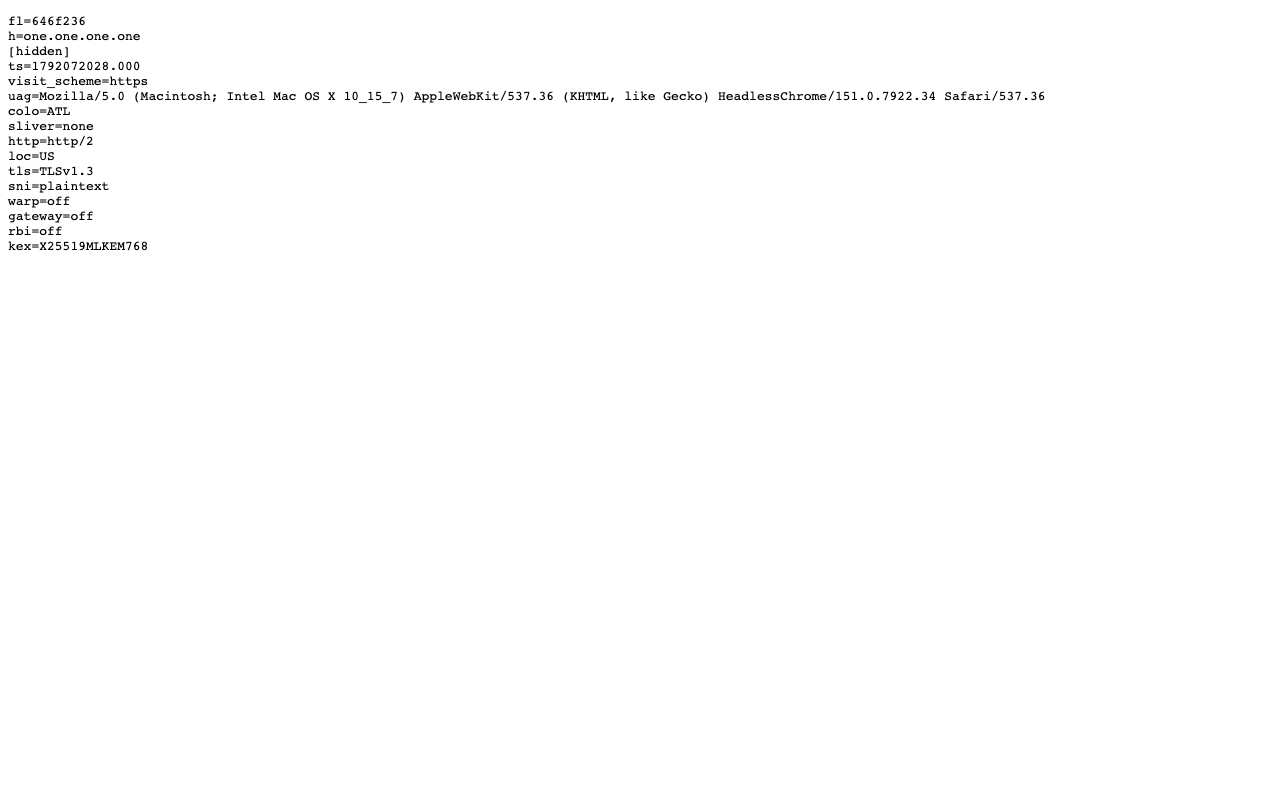
Plain-text Cloudflare trace through AnyProxy Virginia showing loc=US, colo=ATL, TLSv1.3, http/2, sni=plaintext, IP line hidden

Cloudflare trace (one.one.one.one/cdn-cgi/trace) through AnyProxy

Worked · US exit · 2026-10-15

Trace reports loc=US, colo=ATL, http=http/2, tls=TLSv1.3, sni=plaintext, warp=off, kex=X25519MLKEM768.

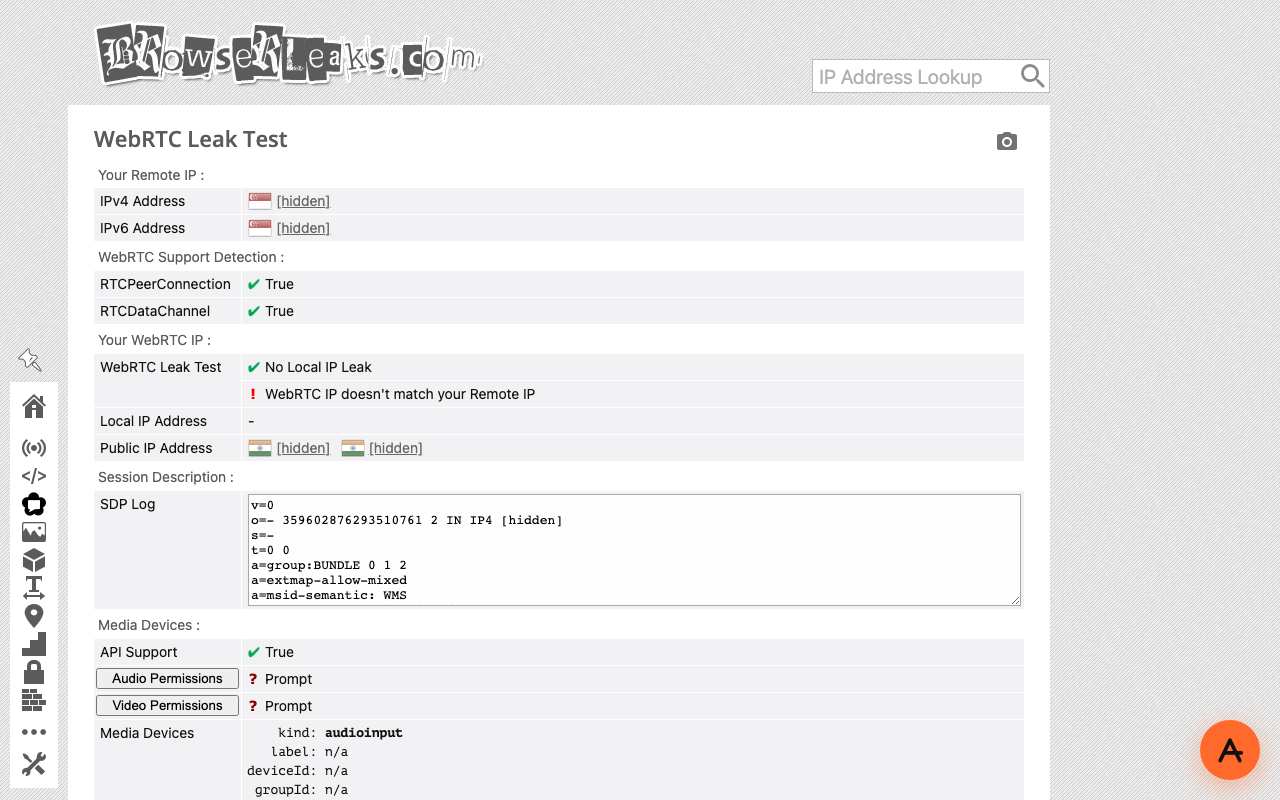
BrowserLeaks WebRTC Leak Test opened through AnyProxy Singapore: remote IP rows show a Singapore flag, WebRTC public IP rows show the test machine's own network, addresses hidden

WebRTC leak test on browserleaks.com/webrtc through AnyProxy

Did not work · SG exit · 2026-10-15

The page's HTTP view shows the Singapore exit (Google LLC). The WebRTC section reports 'No Local IP Leak' but 'WebRTC IP doesn't match your Remote IP' and lists two public addresses of the test machine's own connection (a Cloudflare WARP link, India flag). A web proxy does not route WebRTC.

Questions about VPN

Can my employer or school see that I use a VPN?
Usually yes. The network can see a connection to a known VPN server or protocol, even if it cannot read inside it. Some managed networks block VPN protocols outright, which is why people on those networks turn to web proxies instead.
Does a VPN make me anonymous?
No. The VPN provider can see your traffic's destinations, and logged-in accounts, cookies and browser fingerprints still identify you to websites. A VPN changes who can observe your connection, not who you are.
Are VPNs legal?
In most countries, yes. A handful ban or restrict them, and some, like the UAE, penalise using them to reach blocked services. Check local law.
See alsoVPN explained in depth

Related terms

VPN tunnelA VPN tunnel is the encrypted link between a device and a VPN server, made by wrapping each original packet inside a new packet addressed to the server.VPN kill switchA VPN kill switch is a setting that cuts a device's internet access whenever the VPN connection drops, so apps cannot fall back to the unprotected connection.WireGuardWireGuard is an open-source VPN protocol that encrypts traffic with a small, fixed set of modern algorithms and runs only over UDP.OpenVPNOpenVPN is an open-source VPN protocol and program, first released in 2001, that builds its encrypted tunnel with TLS and can run over either UDP or TCP.ProxyA proxy is a server that makes network requests for you and passes the answers back, so the site you reach deals with the proxy instead of your device.

Put the concept to work

Try AnyProxy free — no install, no signup, six regions.

Open a blocked page