Forward Proxy vs Reverse Proxy: Direction, Purpose, and Examples
Forward proxy sits in front of clients, hides their identity from the server. Reverse proxy sits in front of servers, hides their identity from clients. Table + examples.
Forward proxy: chosen by the user or their network, to reach other sites. Reverse proxy: chosen by a website operator, to protect and speed up their own site.
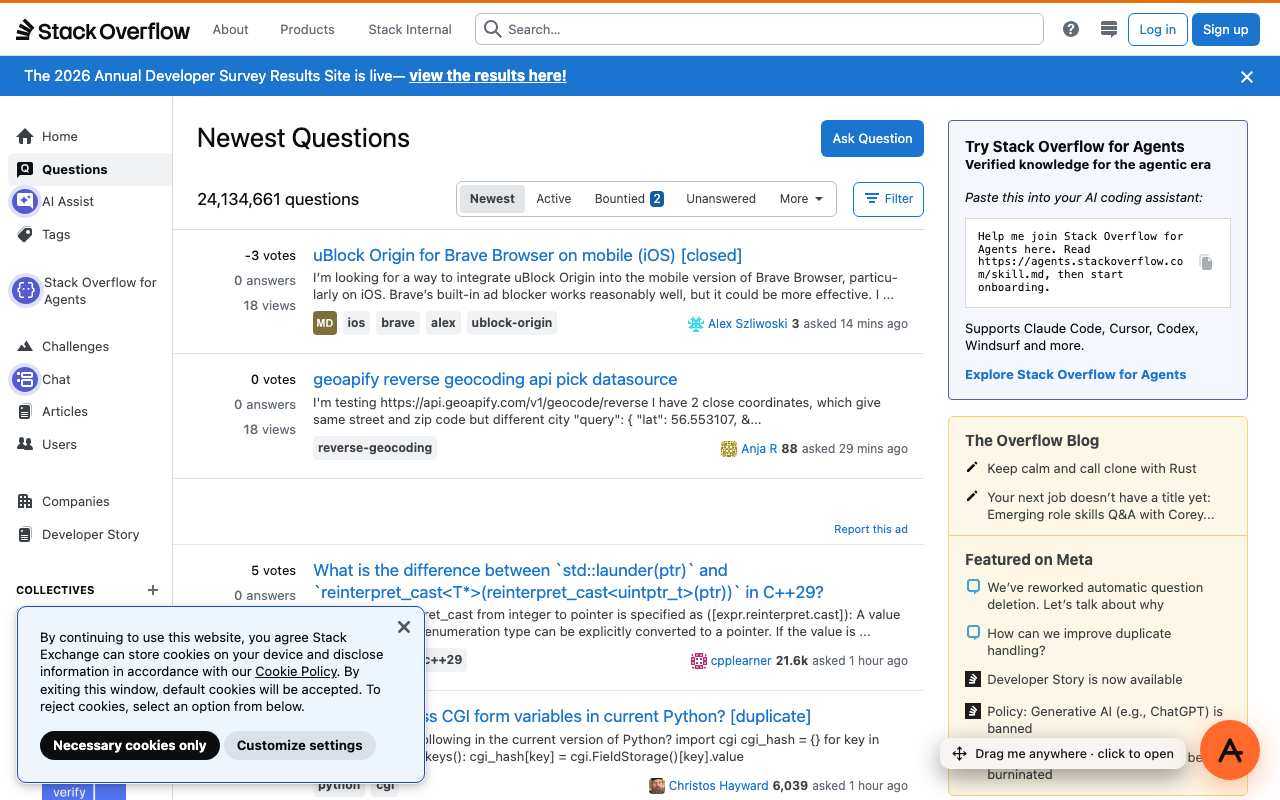
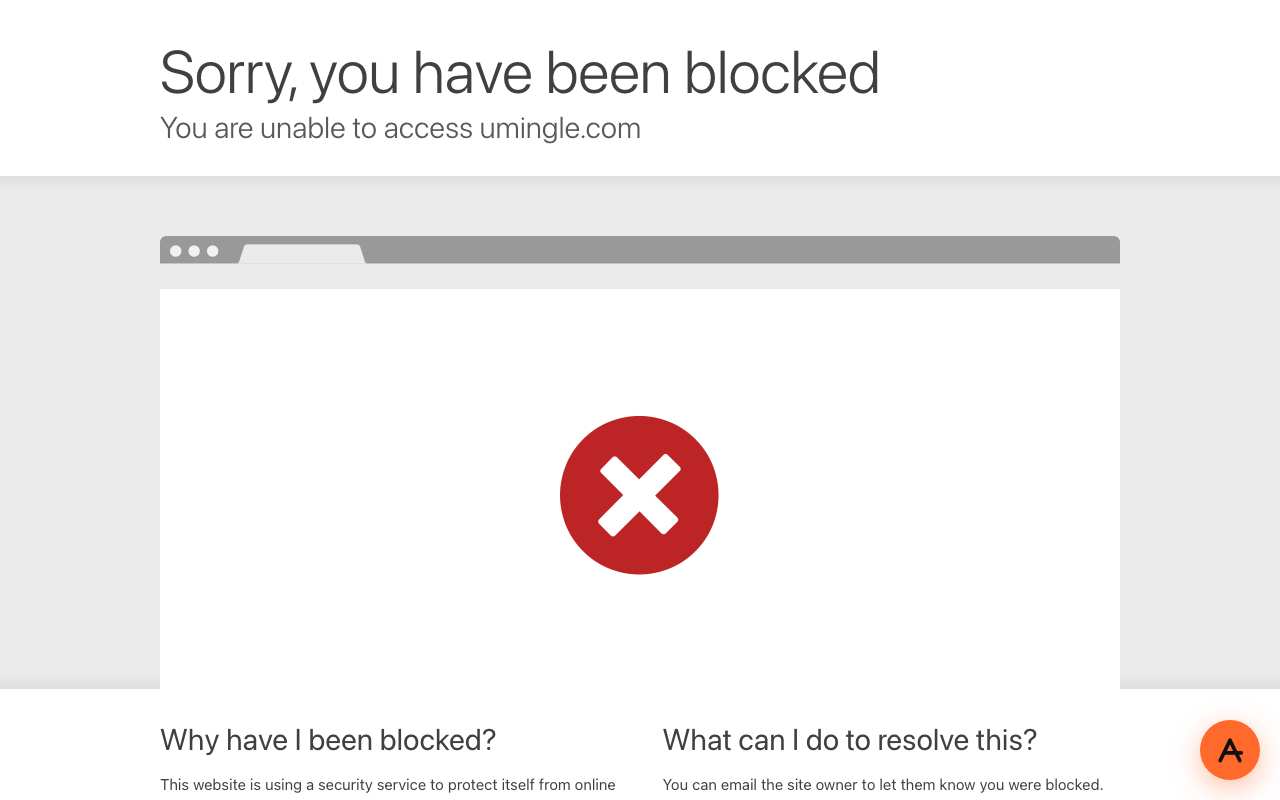
A forward proxy acts for the visitor: your browser asks it to fetch a site (AnyProxy, a school filter). A reverse proxy acts for the website: it sits in front of the site's servers (Cloudflare, Nginx). Through AnyProxy you can watch both meet: on 15 October 2026 Stack Overflow's Cloudflare front door let AnyProxy through, while umingle.com's Cloudflare settings blocked it. AnyProxy publishes this page and sells a web proxy, so weigh our view accordingly.
Side-by-side
Forward proxy vs Reverse proxy
Context
Why this comparison matters
Both are a server in the middle; the question is who it works for. A web proxy is a forward proxy, so the site you visit sees the proxy's address. Many of those sites sit behind a reverse proxy such as Cloudflare, which decides whether to let a forward proxy's traffic in. AnyProxy publishes this page and sells a web proxy, so weigh our view accordingly.
Pick Forward proxy when
Forward proxy is right
- You want to reach a site your network blocks.
- You run a school or office network and need to filter outbound browsing.
Pick Reverse proxy when
Reverse proxy is right
- You run a website and want TLS, caching or bot protection in front of it.
- You need to spread load across several app servers.
What breaks if you pick wrong
Calling Cloudflare "a proxy that hides you" mixes the two up: it protects sites, and it can block forward proxies, as umingle.com did through all three AnyProxy regions.
We checked
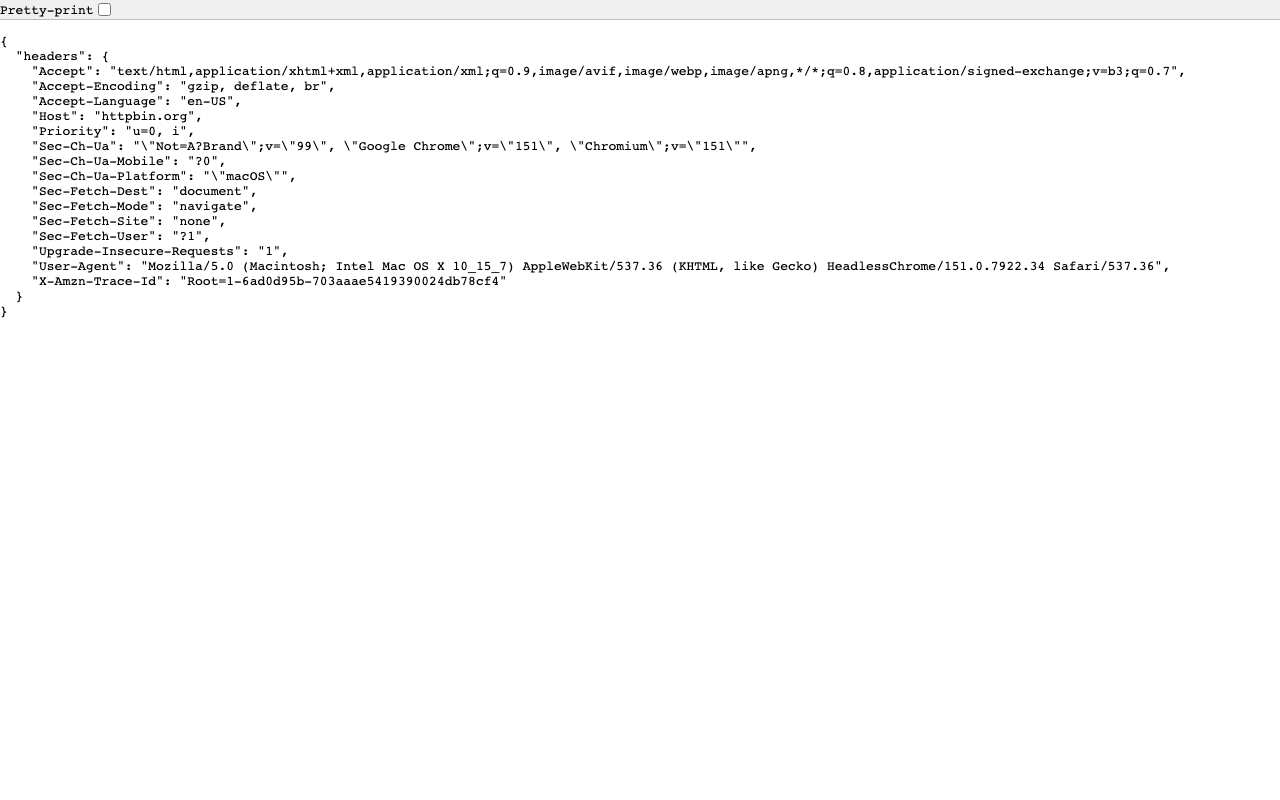
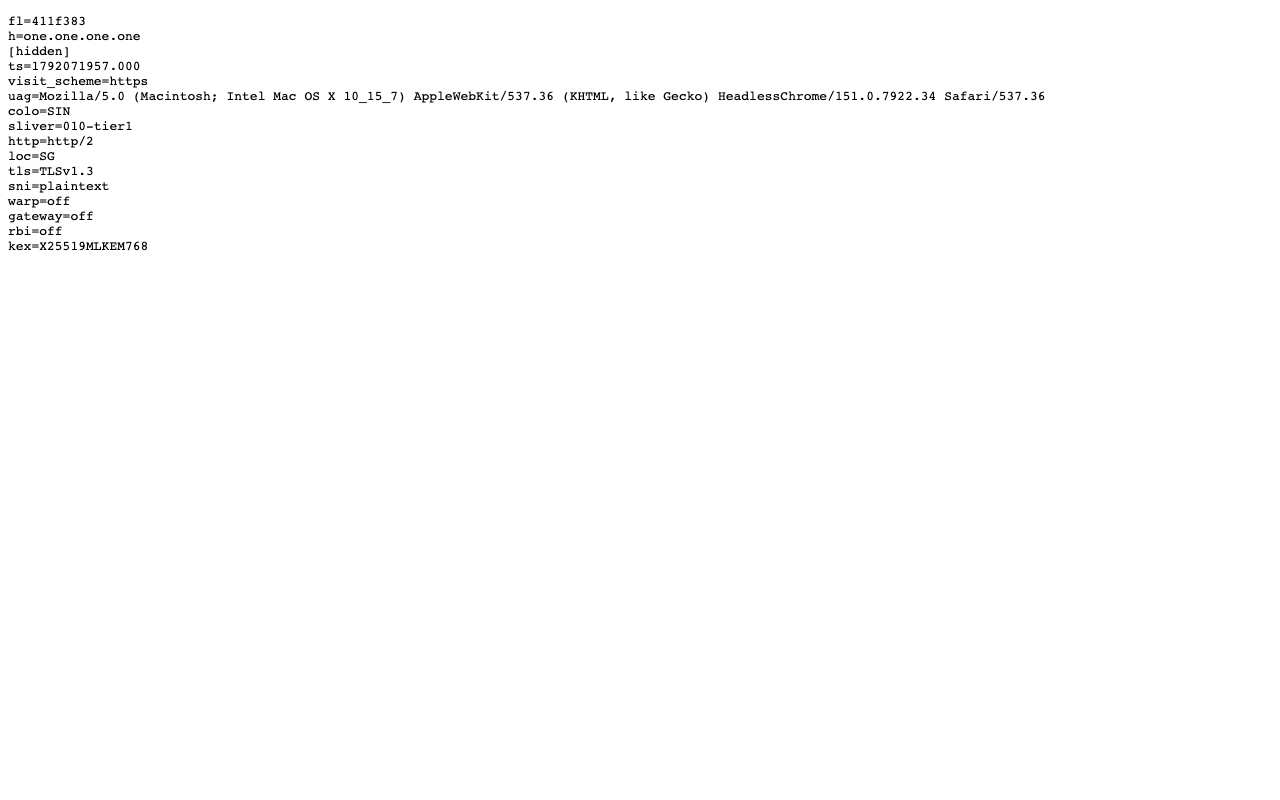
A forward proxy meeting reverse proxies, 15 October 2026
FAQ