Proxy vs VPN in Iran: Which Survives the National Filter?
Iran runs one of the most aggressive DPI + IP + DNS filter regimes in the world. Consumer VPN protocols get fingerprinted. Web proxies over HTTPS often slip through. Comparison + practical guidance.
For reading blocked sites in a browser, a web proxy works if its own domain is reachable from your network. For apps like Telegram or WhatsApp, you need a VPN or a circumvention tool. Neither helps during a full shutdown.
In OONI tests from Iran (15 Jul - 15 Oct 2026), YouTube, Instagram, X, Telegram and WhatsApp loaded in under 6% of measurements. A web proxy can reach those sites in a browser tab while international traffic flows; a VPN or a circumvention tool also covers apps. During nationwide shutdowns, such as January and March to May 2026, nothing from outside works, AnyProxy included. AnyProxy publishes this page and sells a web proxy, so weigh our view accordingly.
Side-by-side
Web proxy vs VPN
Context
Why this comparison matters
Iran combines DNS tampering, IP and keyword blocking with periods of near-total shutdown. In 2026 IODA and Al Jazeera reported shutdowns from 8 January and a blackout of over 2,000 hours ending in late May, after which IPv6 and HTTP/3 stayed blocked and UDP disrupted. Users are responsible for complying with local law. AnyProxy publishes this page and sells a web proxy, so weigh our view accordingly.
Pick Web proxy when
Web proxy is right
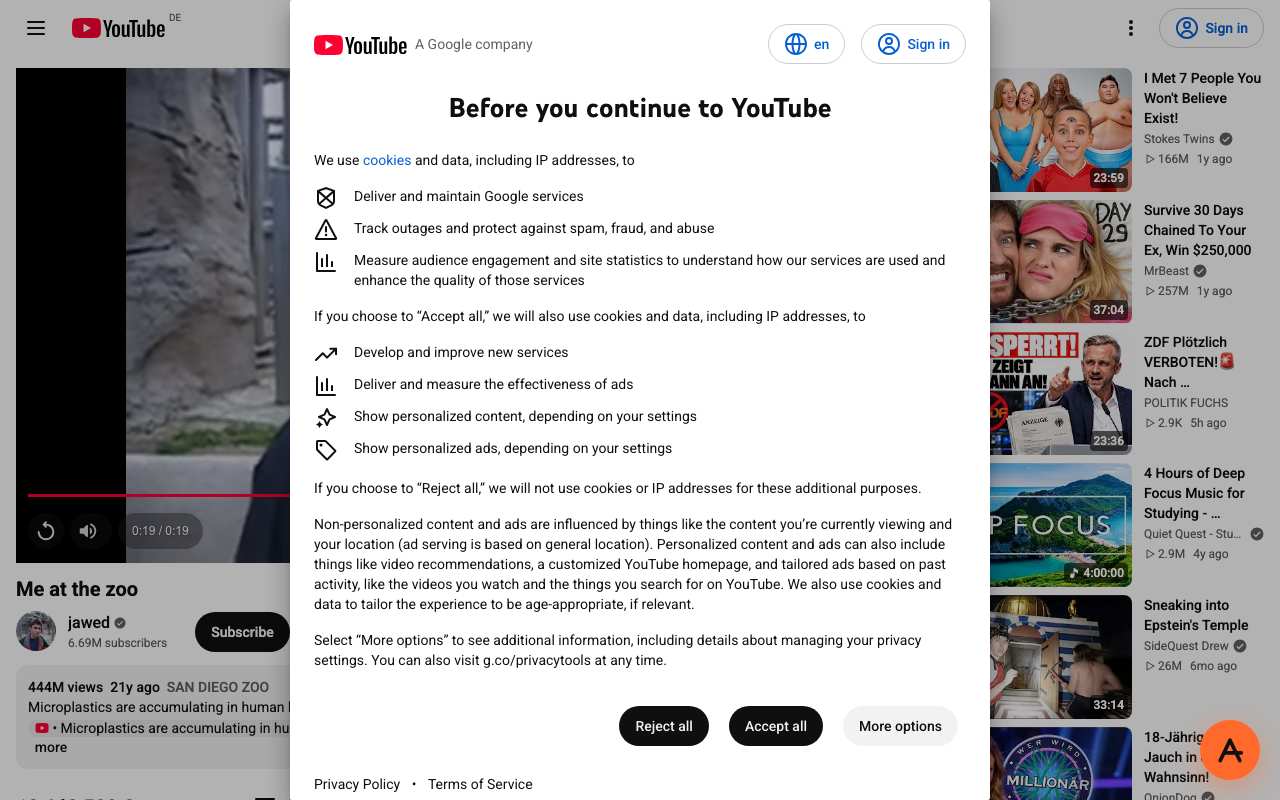
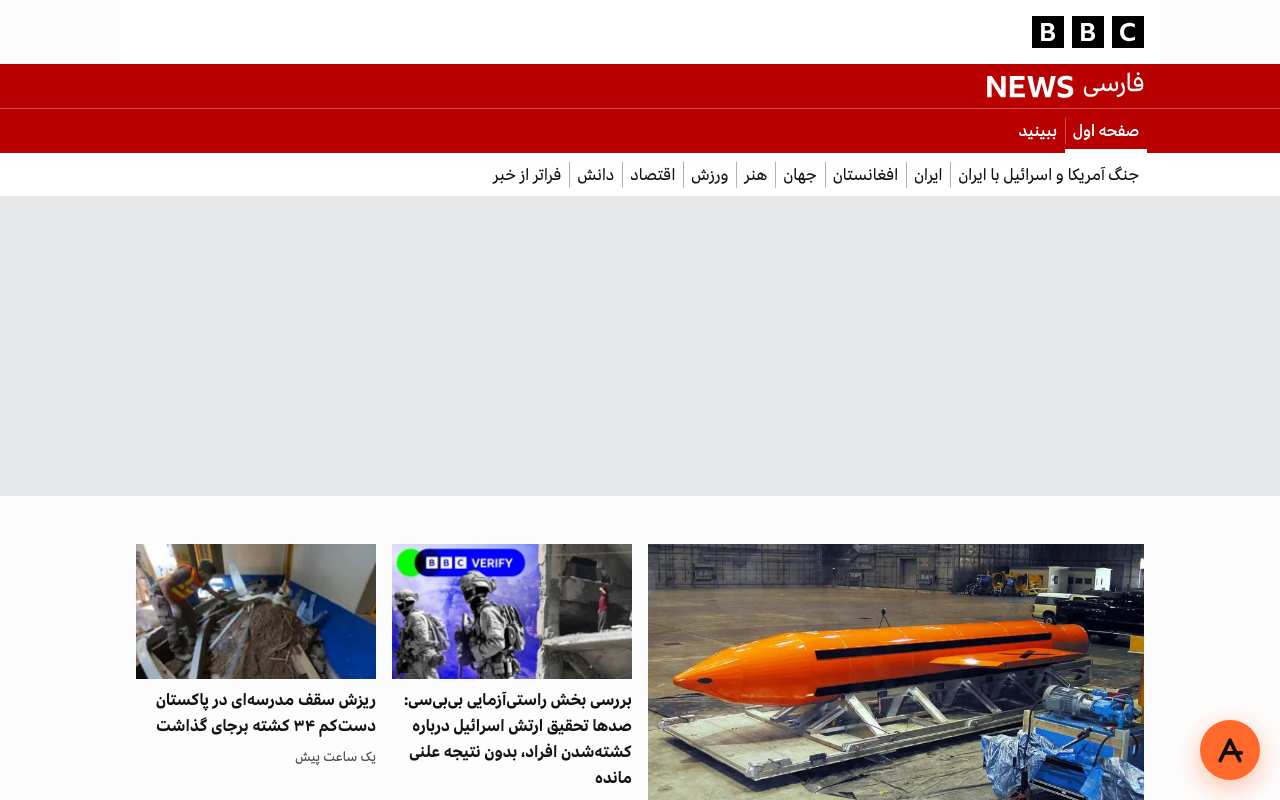
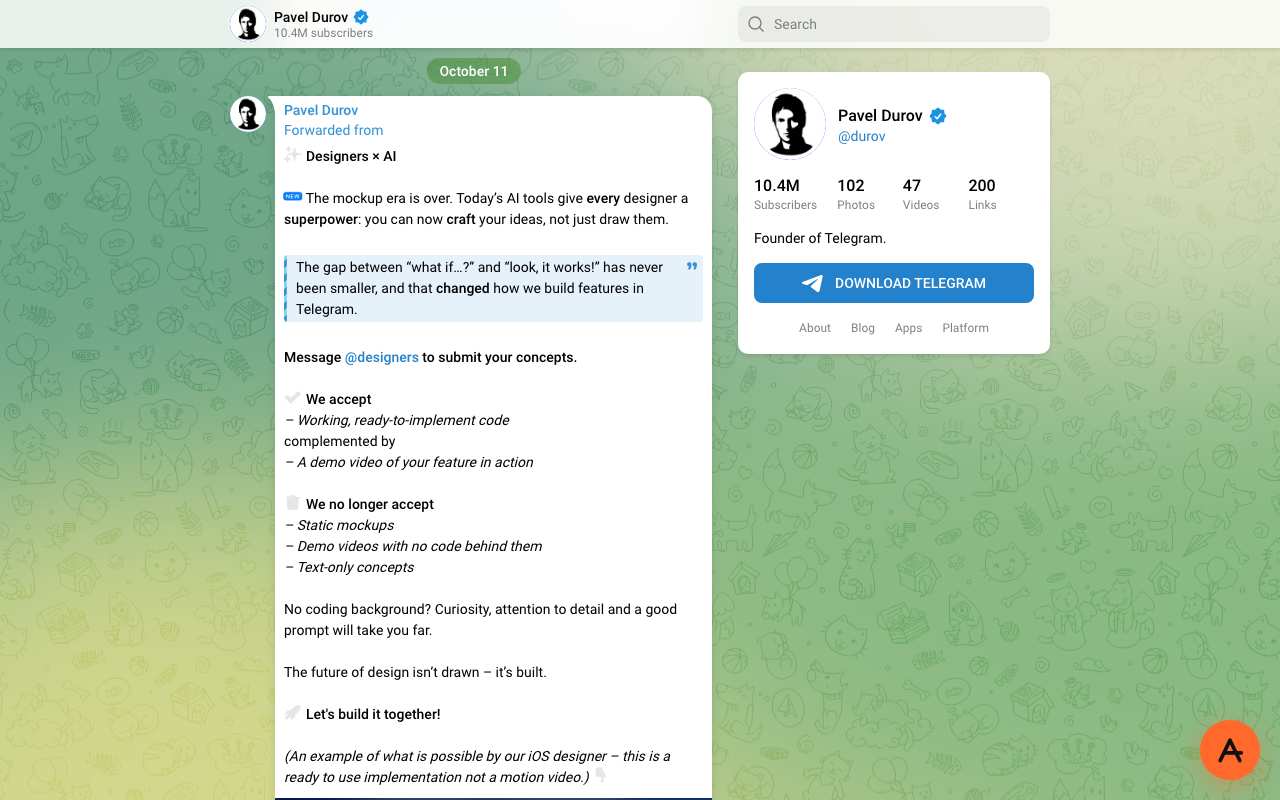
- You need to read YouTube, BBC Persian or a public Telegram channel in a browser.
- You cannot install or configure apps on the device.
Pick VPN when
VPN is right
- You need the Telegram, WhatsApp or Instagram apps.
- The proxy's domain is blocked on your network.
- You can run a circumvention tool designed for heavily filtered networks.
What breaks if you pick wrong
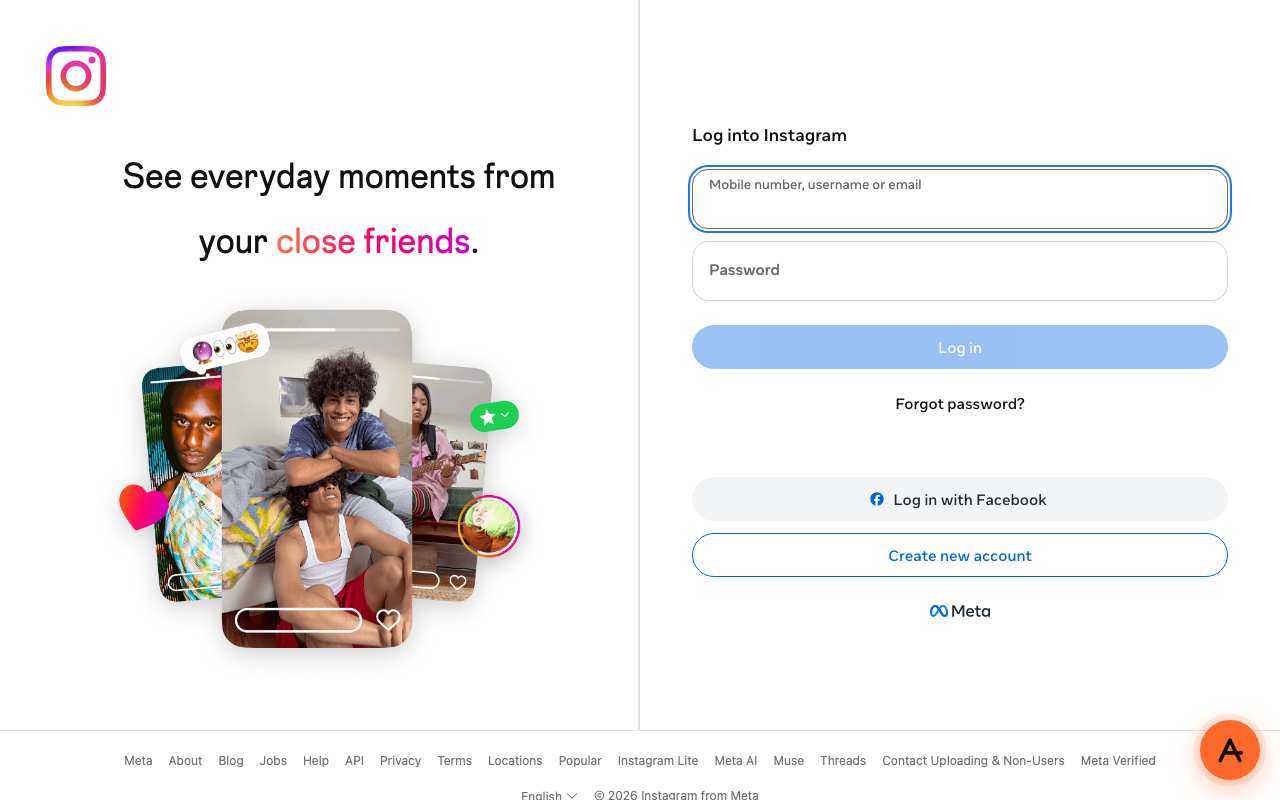
A proxy will not help apps, and Instagram through it asks you to log in, which sends your password through the proxy operator. During shutdowns no outside service works, so neither tool is a fix then.
We checked
Sites blocked in Iran, opened through AnyProxy on 15 October 2026
FAQ