Elite proxy
An elite proxy, also called high-anonymity or level 1, sends no header that reveals a proxy is in use, so the request looks like it came straight from the proxy's address.
Explanation
In depth
Elite is the top rung of the free-proxy-list scale. A transparent proxy passes your IP along, an anonymous proxy hides it but announces itself with a Via or Forwarded header, and an elite proxy strips all of these. The idea is that a site reading headers cannot tell a proxy is involved. The weakness is that headers are not how most sites spot proxies today. They check the address itself. IP-intelligence databases map which networks belong to hosting companies, VPN providers and known proxies, and security services keep reputation scores for individual addresses. An elite proxy on a data-centre address is clean at the header level and still obvious at the address level. The term also carries baggage: many "elite" entries on public lists are open servers whose owners never meant to share them, and anyone running a proxy can read unencrypted traffic that passes through it. Treat elite as a statement about header hygiene, nothing more.
In practice
Elite proxy in the real world
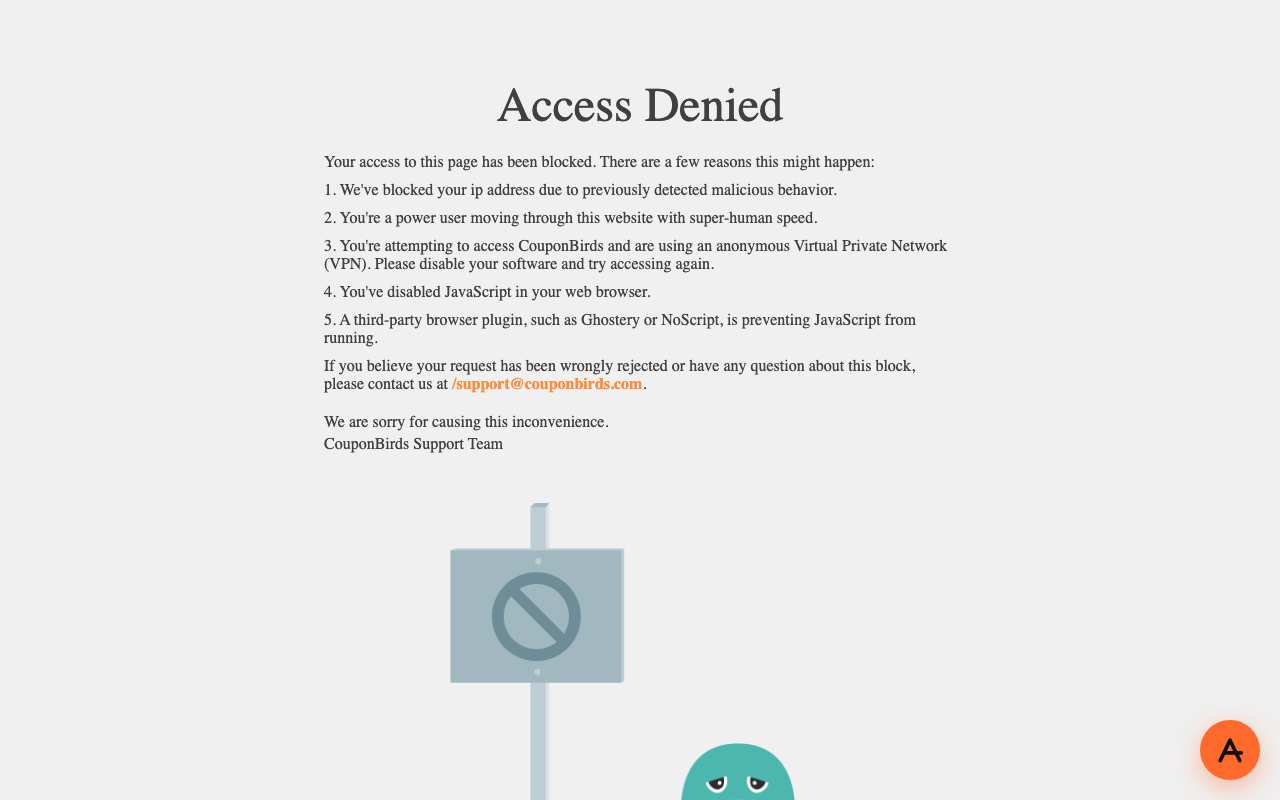
AnyProxy passes the elite header test: an httpbin echo on 15 October 2026 showed no X-Forwarded-For, Via or Forwarded (see the anonymous proxy entry). The same day, www.couponbirds.com opened through the Singapore server still returned the site's own "Access Denied" page, whose listed reasons include a blocked IP address and "an anonymous Virtual Private Network (VPN)". It had refused the same visit on all three free regions on 12 October. Clean headers did not help; the address was what the site judged.
Sources: RFC 7239 - Forwarded HTTP extension
We checked
Clean headers, blocked anyway
Questions about Elite proxy
Related terms