DRM (Digital Rights Management)
DRM (digital rights management) encrypts video or music so that only an approved player component can decrypt it, and only after the service's licence server agrees.
Explanation
In depth
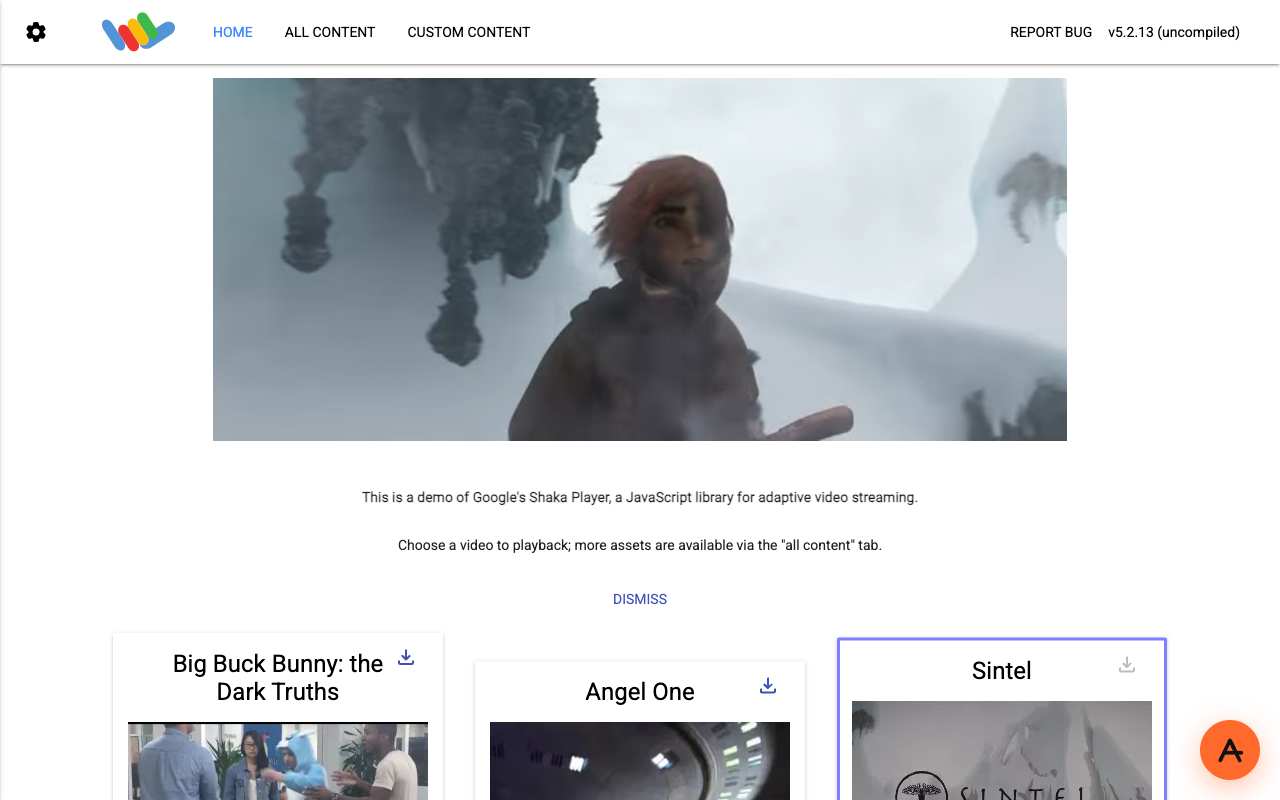
In web browsers, DRM runs through Encrypted Media Extensions (EME), a W3C standard. The page asks the browser's content decryption module (Google Widevine in Chrome and Firefox, Apple FairPlay in Safari, Microsoft PlayReady in Edge) to request a licence from the service's licence server; only then are the keys released inside that module, and the video is decrypted there. Whether a stream plays therefore depends on two things: the decryption module on your device, and the licence server's rules, which can check your account, subscription, region and device. A web proxy does not replace your browser's decryption module. On 15 October 2026 a Widevine-encrypted test clip from Google's Shaka Player demo played through AnyProxy's Singapore server, with DRM keys loaded. That stream uses an open licence server and no account. Netflix, Disney+ and Prime Video add account and region checks; AnyProxy lists them as not supported, and we have not tested logged-in playback. So the DRM technology alone did not stop proxied video in our test; whether a service's licence server accepts a proxied session is a separate question.
In practice
DRM (Digital Rights Management) in the real world
We tested DRM directly instead of assuming. Google's Shaka Player demo offers Sintel, a film protected with Widevine. Through AnyProxy's Singapore server it played for 38.5 seconds with DRM keys attached; without the proxy it also played. Our first attempt failed everywhere with Shaka error 6001 (key system unavailable) because the automated browser had no Widevine module; once Chrome downloaded it, playback worked. Logged-in Netflix or Disney+ playback remains untested.
Sources: W3C - Encrypted Media Extensions · Shaka Player demo (Google) - Widevine test streams · Site compatibility - AnyProxy
We checked
DRM-protected video through AnyProxy (15 Oct 2026)

Questions about DRM (Digital Rights Management)
Related terms