Reverse proxy
A reverse proxy works for a website: it sits in front of the site's servers, takes every visitor's connection, and decides what reaches the real server.
Explanation
In depth
When you type a site's address, you may never talk to the site's own server. Many sites point their domain at a reverse proxy, such as Cloudflare, Fastly, Nginx or HAProxy, which accepts your connection, handles the encryption, serves cached files, and forwards the rest to an origin server whose address is kept private. Reverse means the proxy faces the other way from a forward proxy: it acts for the server, not for the user. That position gives it power over visitors. A reverse proxy can rate-limit, challenge with a "Just a moment" check, or block an address before the website ever sees the request, and the page you then get is the proxy's page, not the site's. This matters for anyone using a proxy or VPN, because the reverse proxy is often the one judging their address. It also explains a censorship side effect: many sites share the same reverse-proxy addresses, so a country that blocks one of those ranges can cut off unrelated sites at once. A quick way to tell: the IP address a site's name resolves to belongs to the reverse-proxy company's network, such as Cloudflare's AS13335.
In practice
Reverse proxy in the real world
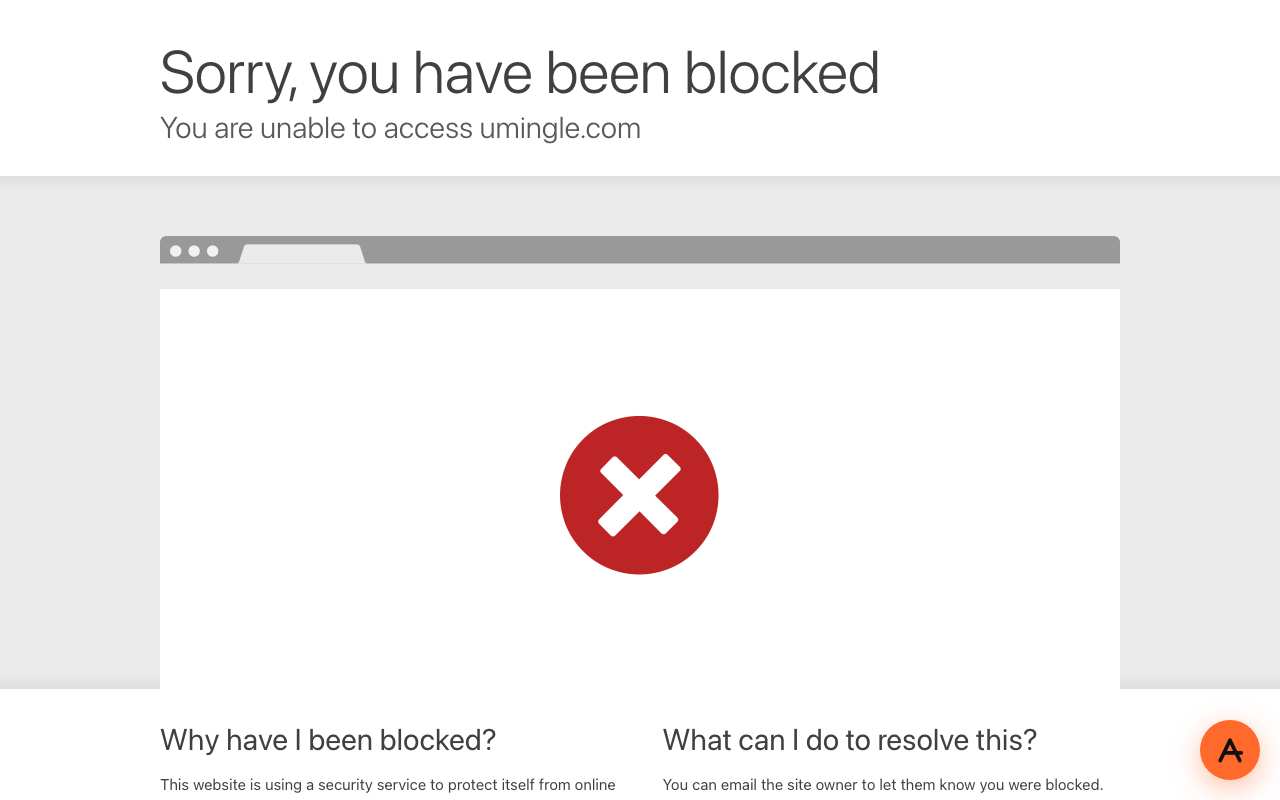
In our DomainScan check of 38 sites on 5 October 2026, 7 resolved to Cloudflare: ChatGPT, Discord, Perplexity, Signal, Vimeo, X and anyproxy.site itself. Reddit resolved to Fastly (AS54113). Six of the seven competing web proxies we checked the same day also sat behind Cloudflare; KProxy did not. On 15 October, umingle.com opened through AnyProxy's Frankfurt server returned Cloudflare's "Sorry, you have been blocked" page: the reverse proxy refused the visit, and umingle's own server never answered.
Measured · 2026-10-05
Popular sites on shared CDNs
From a DomainScan scan of 37 popular sites.
We checked
A reverse proxy answering instead of the site
Questions about Reverse proxy
Related terms