What is a proxy server?
A proxy server is a computer that fetches web pages on your behalf and returns them to your browser.
Full answer
In detail
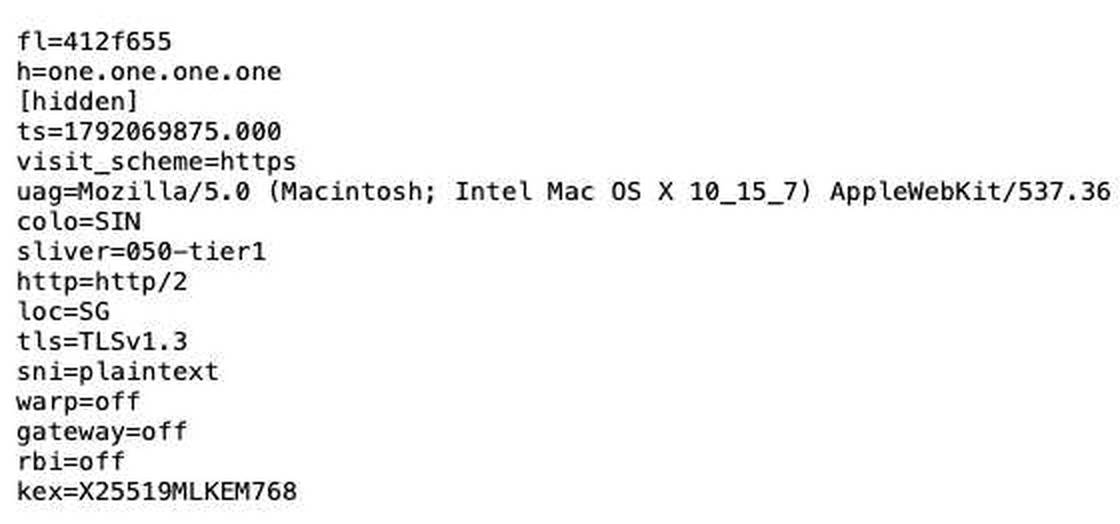
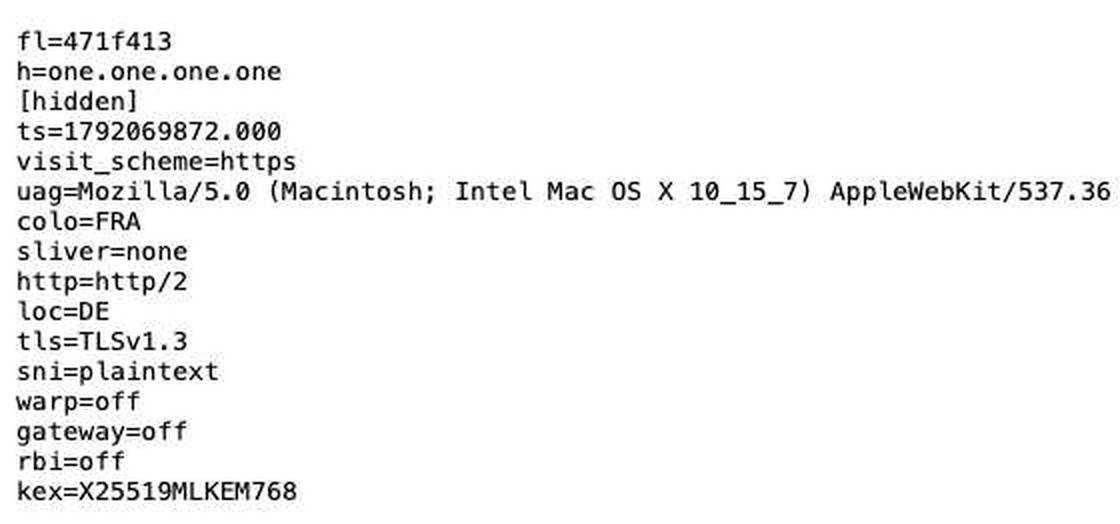
When you visit a page through a proxy, your device does not connect to the destination directly. Instead, your browser asks the proxy server, and the proxy asks the destination on your behalf. The response comes back through the proxy to your browser. The destination site sees the proxy's IP address, not yours. Your local network sees an encrypted connection to the proxy, not to the destination. That indirection is what lets a proxy get around network-level blocks: the block sits between you and the destination, and a server outside that network can usually still reach it, unless the destination itself refuses traffic from proxies. AnyProxy is one specific kind of proxy — a web proxy that runs entirely in a browser tab with no installation needed.
In practice
Three proxies you have probably already used
Most people use proxies without choosing one. At work, a managed laptop often sends every request through the company's forward proxy or a cloud filter that sorts sites into categories. When you open ChatGPT, Discord or X, you are talking to Cloudflare, a reverse proxy in front of those sites. And when hotel Wi-Fi shows a login page before anything else loads, that is an interception proxy catching your first request. A web proxy like AnyProxy is the one kind you pick deliberately — a website that fetches other websites for you.
Sources: Forward proxy — glossary · Reverse proxy — glossary
We checked
What a website sees when you arrive through a proxy
People also ask
See also
Related questions